Where you sleep in Amboseli changes the shape of the whole trip. The wildlife is the same ecosystem either way, the elephants are the same elephants, and Kilimanjaro sits on the same southern horizon. But the daily rhythm, the activity options, and how much time you spend actually inside the park versus driving to get there can feel very different depending on which side of the gate your camp sits on.
This is one of those planning decisions that looks simple but carries real consequences for a short safari. Here is a clear breakdown.
The Short Answer
Stay inside the park if your trip is short, if this is your first safari, or if you want the cleanest possible game-drive efficiency from the moment you wake up.
Stay outside the park if you want a broader activity menu, more flexibility on accommodation style and price, or a conservancy atmosphere that adds walking, night drives, or cultural visits to the itinerary.
Both are legitimate choices. The question is which one fits what you are actually trying to get from the trip.
What Staying Inside Amboseli National Park Gives You
The case for an inside-park stay is mostly about time. When your camp is already within the park boundary, the day starts in the right place.
Key advantages:
- Morning game drives can begin immediately, before the light changes
- No gate fees or entry formalities at the start of each drive
- Short 2-night and 3-night itineraries lose far less time to logistics
- The trip feels clean and direct for first-time safari visitors
Amboseli Serena Safari Lodge and Ol Tukai Lodge are the two most widely known inside-park options. Ol Tukai is positioned near the swamp habitat that anchors elephant viewing in the park core, which makes it consistently good for that species regardless of season. Amboseli Serena places guests in the open grassland context with balcony views over the plains.
The trade-off for an inside stay is activity variety. Classic inside-park accommodation operates within KWS rules: game drives in vehicles, along set tracks. Walking safaris and night drives are not part of the inside-park experience in the way they are on private conservancies.
What Staying Outside the Park Gives You
Outside-park stays are not a compromise. They are a different kind of safari.
The Amboseli.org planning guidance is direct on this point: lodges and camps outside the park or on adjacent conservancies can offer walking safaris, night drives, and cultural visits to local Maasai communities. Those activities are typically not available to inside-park guests.
Additional advantages of outside stays:
- Broader price range, including genuine mid-range and budget options
- More varied camp styles and atmospheres
- Smaller, more private setups are more common outside the park
- Conservancy context can feel more layered and less heavily trafficked
Properties worth knowing about in the wider Amboseli ecosystem:
- Tawi Lodge sits on a private conservancy approximately five minutes from Kimana Gate, with strong Kilimanjaro views from every cottage and full conservancy activity access
- Tortilis Camp sits in a private conservancy setting and emphasizes both park access and the broader ecosystem
- Kibo Safari Camp offers a more accessible mid-range option with a tented format near the park
The outside-park trade-off is that your morning game drive involves entering the park. That costs time, especially on a tight 2-night itinerary.
Which Is Better for Short Trips
For a 2-night stay, inside the park usually wins. Here is why: on a short safari, the most valuable resource is time in the field. An inside stay removes one friction point from each day. That matters when you have only four or five game drives total.
An outside stay can still work on 2 nights, especially if the lodge is close to Kimana Gate, but it needs to earn its place with a clear advantage on price, style, or activity mix.
For 3 nights or longer, the balance shifts. Outside properties have more time to justify themselves through atmosphere, activity variety, and the kind of layered experience that a longer stay allows.
Which Is Better for First-Time Safari Visitors
Inside the park. The reason is simplicity.
A first safari works best when the guest can focus on what they are seeing rather than the logistics of how they got there. An inside-park stay removes a layer of complexity from the daily plan. You leave camp, you are in the wildlife habitat, you have the experience, you return. That clarity is genuinely valuable when everything else is new.
For travellers with previous safari experience who want more from the Amboseli ecosystem, outside stays often become the stronger recommendation.
Kilimanjaro Views: Not an Inside vs Outside Question
This is worth clarifying because it comes up in almost every Amboseli accommodation conversation.
Both inside-park and outside-park properties make strong Kilimanjaro view claims. Ol Tukai and Amboseli Serena both market their mountain-facing positions. Tawi Lodge and Tortilis Camp both emphasize dramatic Kilimanjaro visibility.
The mountain is visible from a broad arc of the Amboseli ecosystem. Where you sleep does not determine whether you see it. What determines visibility is weather, cloud cover, and time of day. Clear mountain mornings happen on both sides of the gate.
If Kilimanjaro is the primary reason for the trip, the better question is which specific property has the strongest orientation toward the mountain, not whether it is inside or outside the park.
Which Is Better for Families
Families generally do well inside the park for the same reason first-time visitors do: simplicity. Fewer moving parts in the daily schedule means fewer opportunities for things to go sideways when you have children with different energy levels and attention spans.
Outside stays can work well for families too, particularly larger family groups that need more space, or families who want a more varied activity menu beyond standard vehicle game drives.
The better question for families is not “inside or outside the park?” but “does this family want predictability or flexibility?” Predictability points toward inside. Flexibility points toward outside.
The Value Question
Outside-park stays tend to offer more price flexibility. The inside-park options in Amboseli are relatively few and generally operate at mid-to-premium rates. Outside the park, the range extends further in both directions.
But the value calculation is not just about accommodation cost. Inside stays produce better time value on short safaris because of the daily logistics savings. Outside stays can produce better overall value on longer trips where the extra activities and atmosphere justify the tradeoff in morning drive efficiency.
Explorer Notes
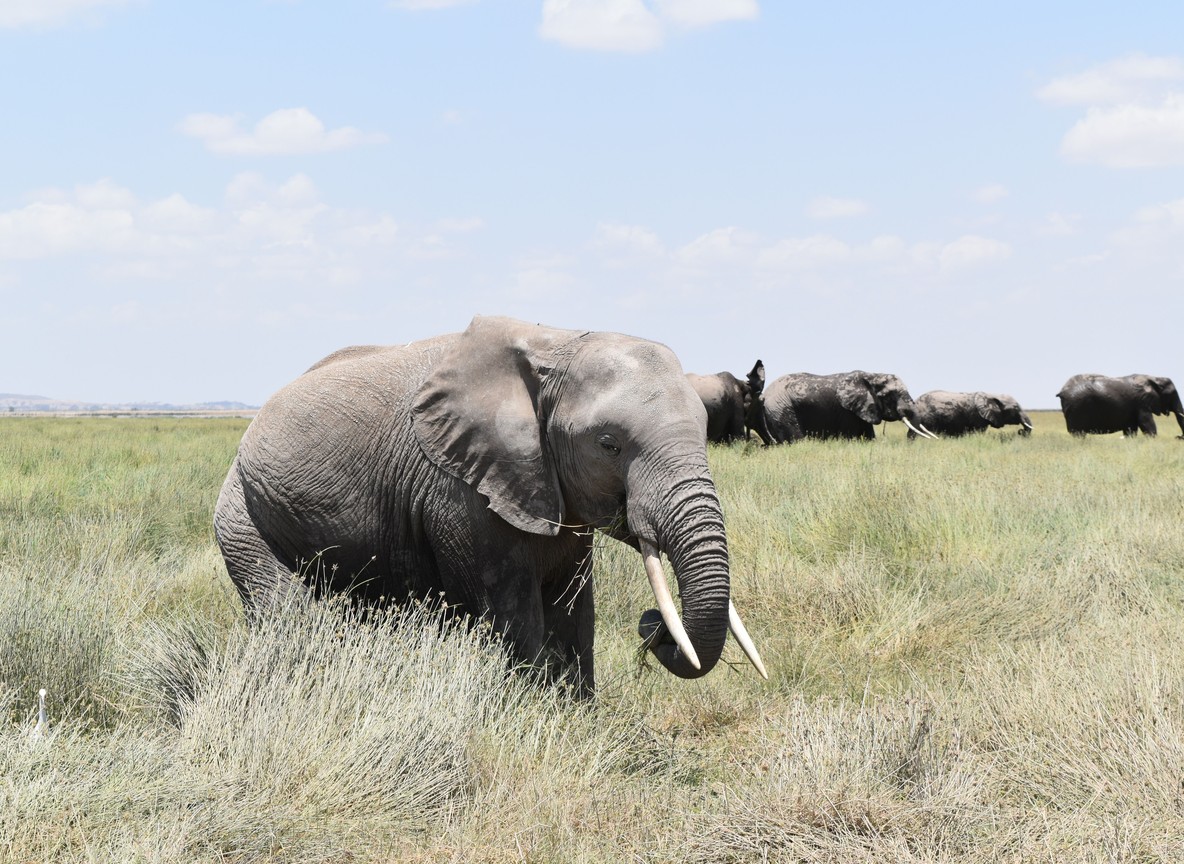
The Amboseli swamp system — the series of wetland areas fed by underground water from Kilimanjaro’s glaciers — is the heart of the park. Ol Tukai sits closest to this habitat, which is why it consistently produces the best elephant viewing. If elephants are the main reason you are going, that proximity matters.
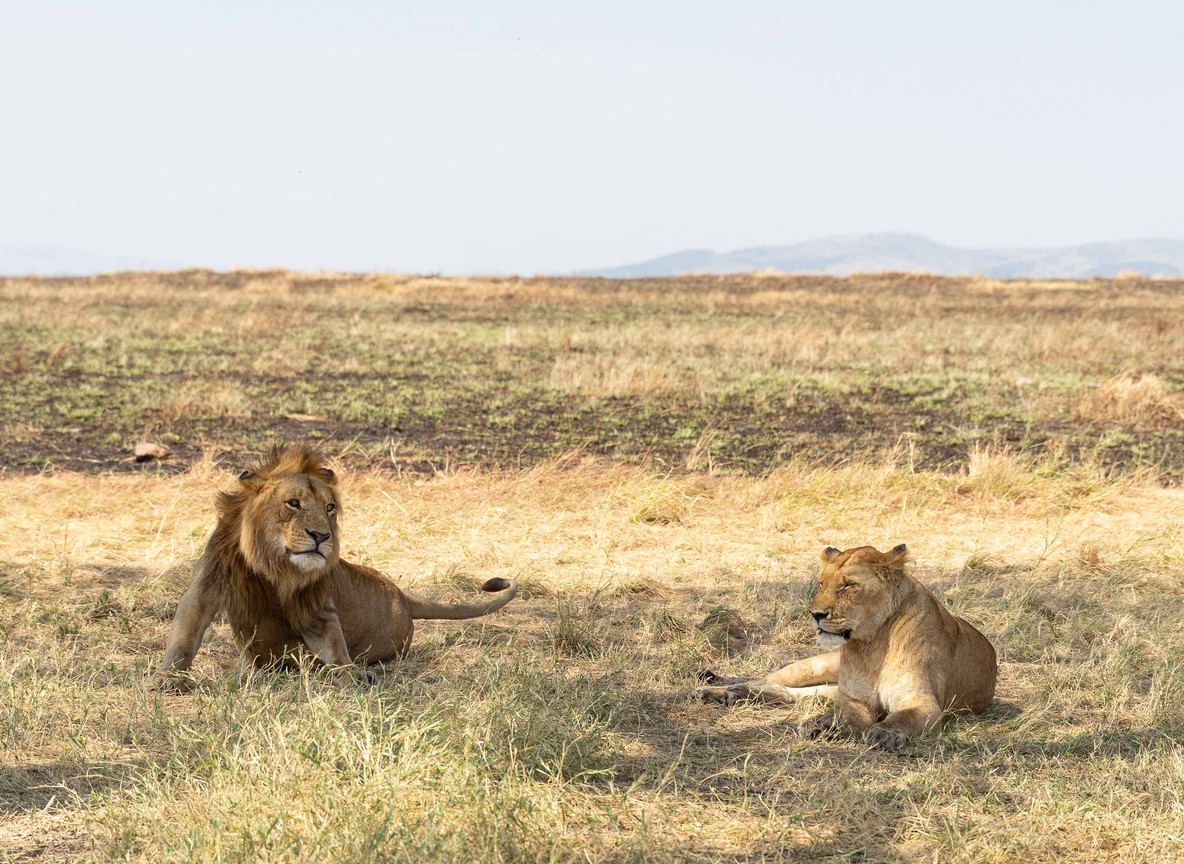
The open grasslands to the north and east of the swamp are where you find predator activity and plains game in greatest density. Both inside and outside camps can reach those areas.
The Amboseli-Tsavo corridor is worth knowing about if you are planning a longer Kenya trip. Several outside-park properties near Kimana Gate are well-positioned to serve as a link between Amboseli and Tsavo West, making a combined itinerary more efficient.
For planning resources that cover Amboseli alongside other Kenya safari destinations, touringinsights.com is a useful starting point.
Quick Comparison
| Factor | Inside the Park | Outside the Park |
|---|---|---|
| Morning game-drive efficiency | Strong | Moderate to strong |
| Best for short 2-night trips | Yes | Sometimes |
| Activity variety (walking, night drives) | Limited | Strong |
| Price flexibility | Moderate | Strong |
| First-time safari fit | Excellent | Good |
| Conservancy atmosphere | Not available | Strong |
Conclusion
The inside-versus-outside decision in Amboseli is not about which option is objectively better. It is about which option is better for the specific trip you are planning.
Short trips with first-time safari visitors: go inside. The efficiency advantage compounds quickly when time is limited.
Longer trips with guests who want more than vehicle drives: consider outside. The conservancy context and expanded activity menu become real advantages when you have the time to use them.
Next Steps
Once you have settled the inside-versus-outside question, the next step is narrowing to a specific property. At that point, confirm the following before booking: whether park fees are included in the rate, whether game drives are shared or private, and what the transfer logistics look like from Nairobi. For broader Kenya safari planning resources, visit touringinsights.com.
Every trip described here can be tailored: dates, budget, camps, and pace built around you.
Get a Personalised Safari